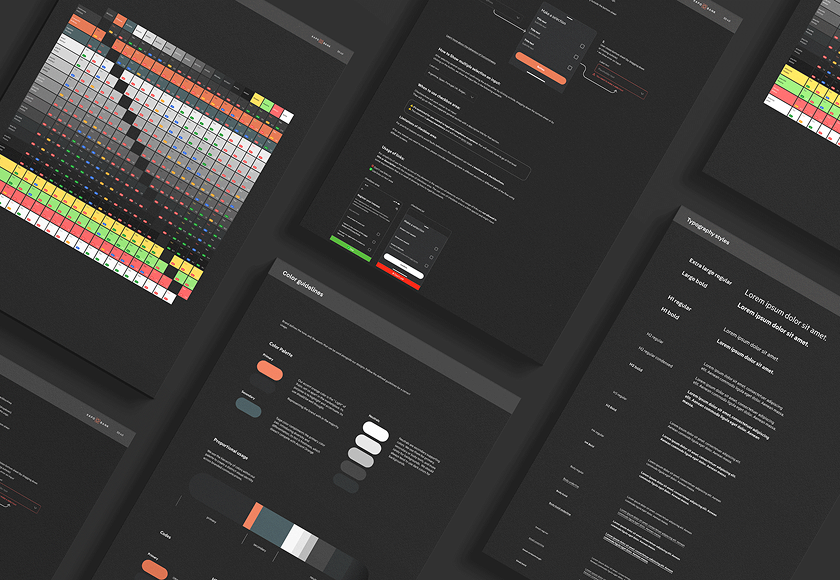
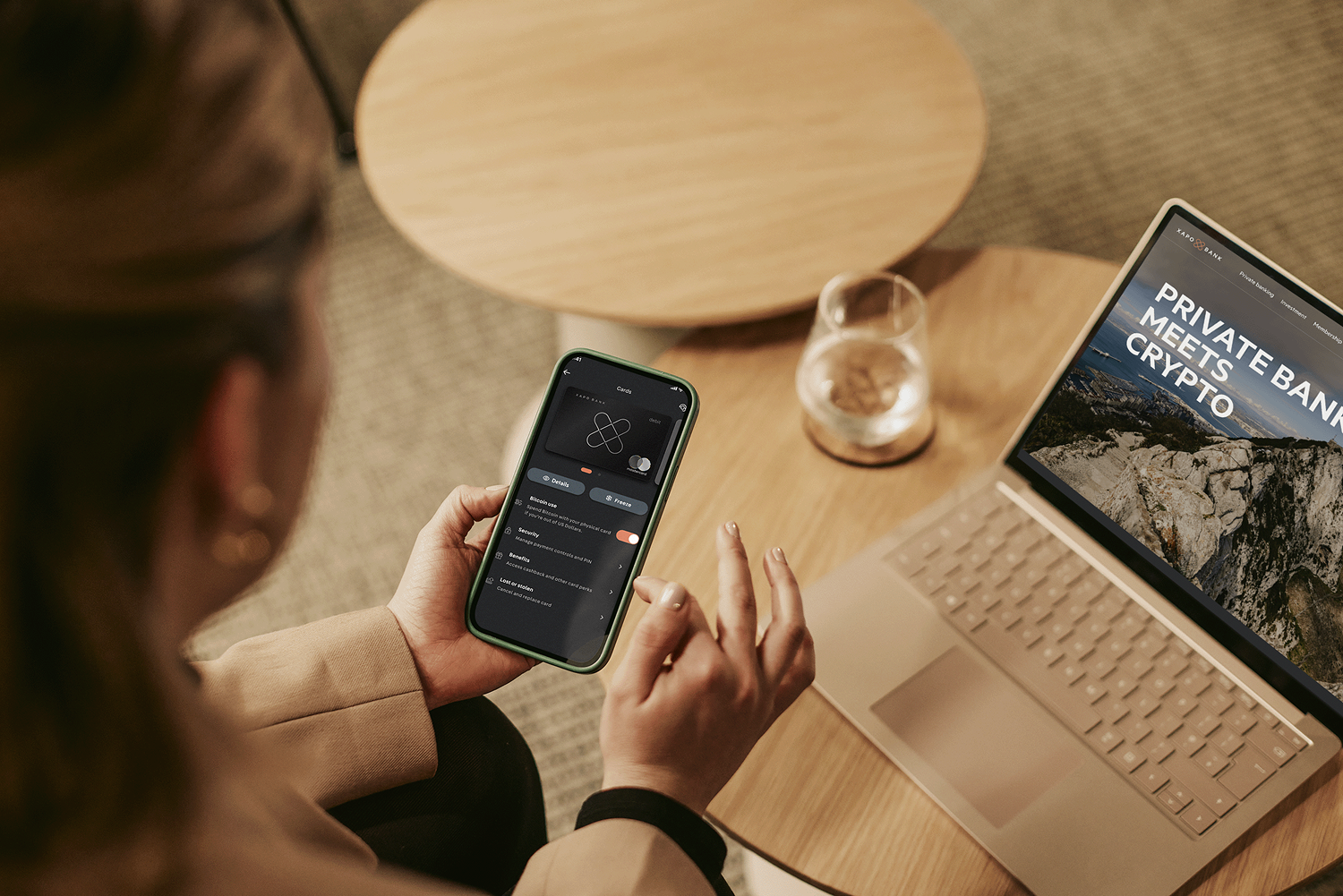
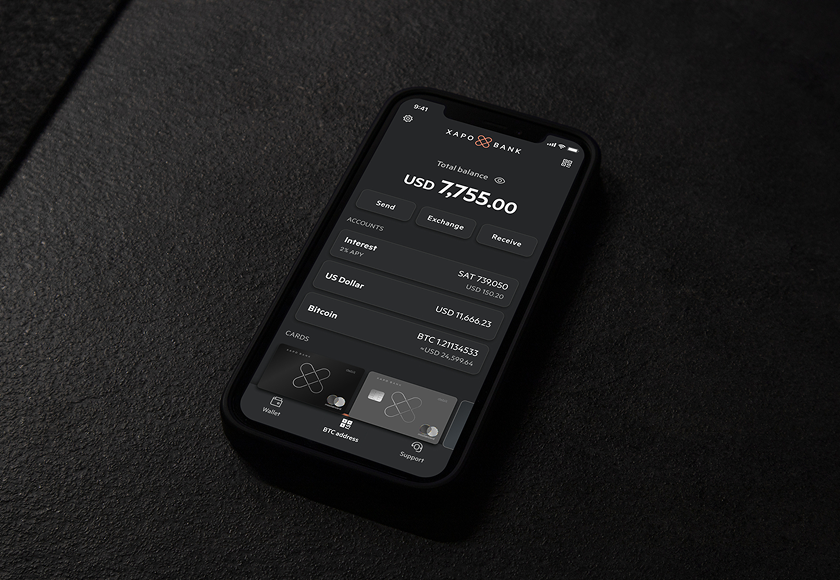
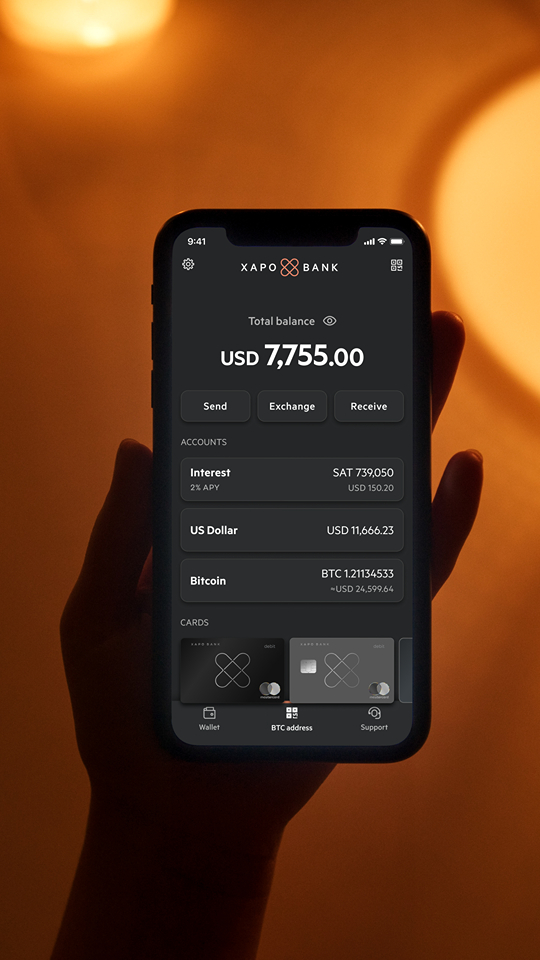
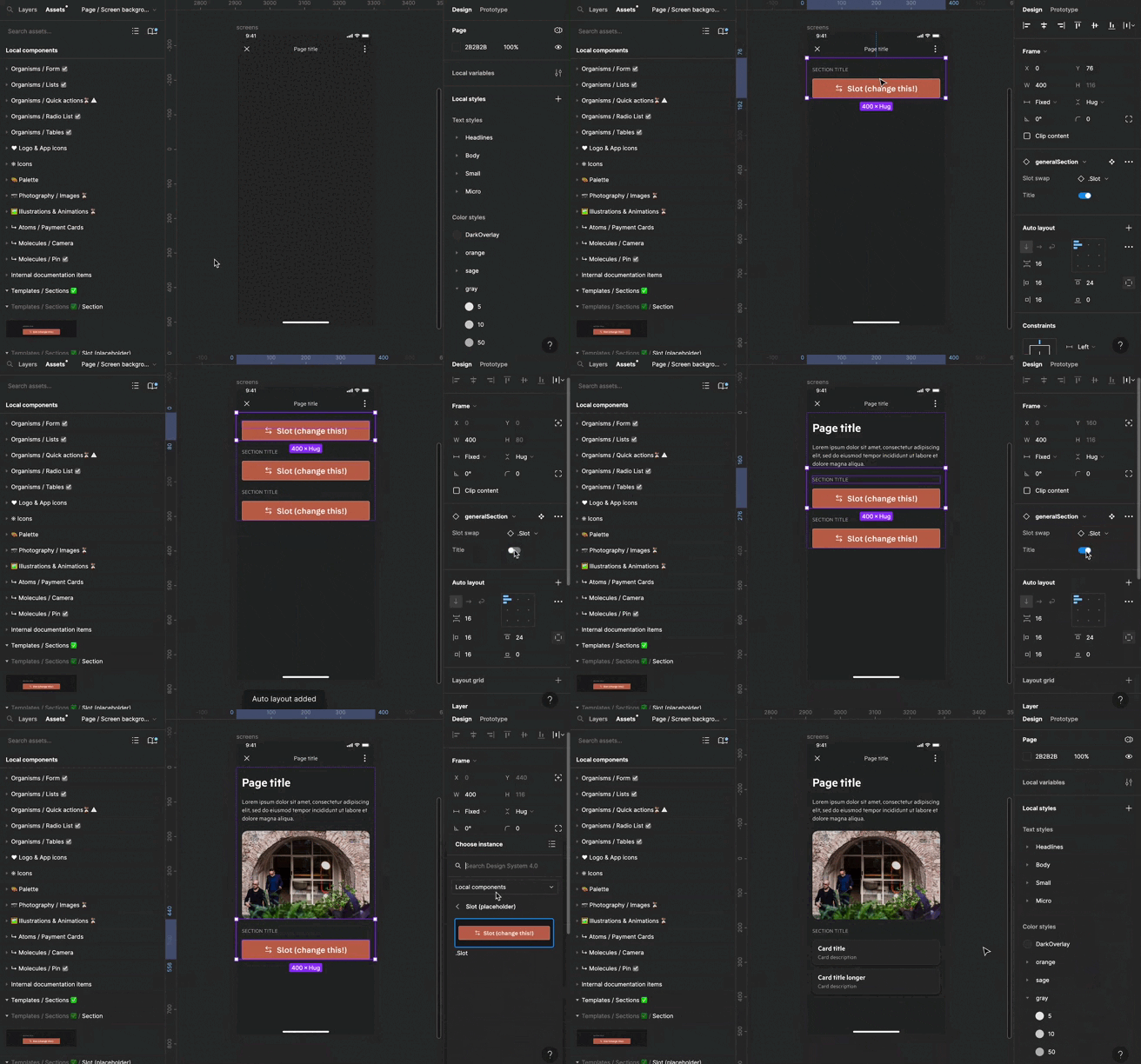
Xapo Bank was scaling quickly but lacked a mature design system. Components were inconsistent, documentation fragmented, and collaboration between design and engineering unclear.
Challenge
Create a scalable design system that could support rapid product growth while improving consistency and team efficiency.
Objectives
Establish a clear design system architecture
Align design and engineering workflows
Ensure accessibility and visual consistency
Enable fast product iteration and future rebranding
Starting Point
When taking ownership of the design system:
The system had low adoption
Components were inconsistent
Engineering and design lacked shared processes
Documentation was missing
No standardised patterns
Accessibility compliance was missing
Design System Governance & Adoption
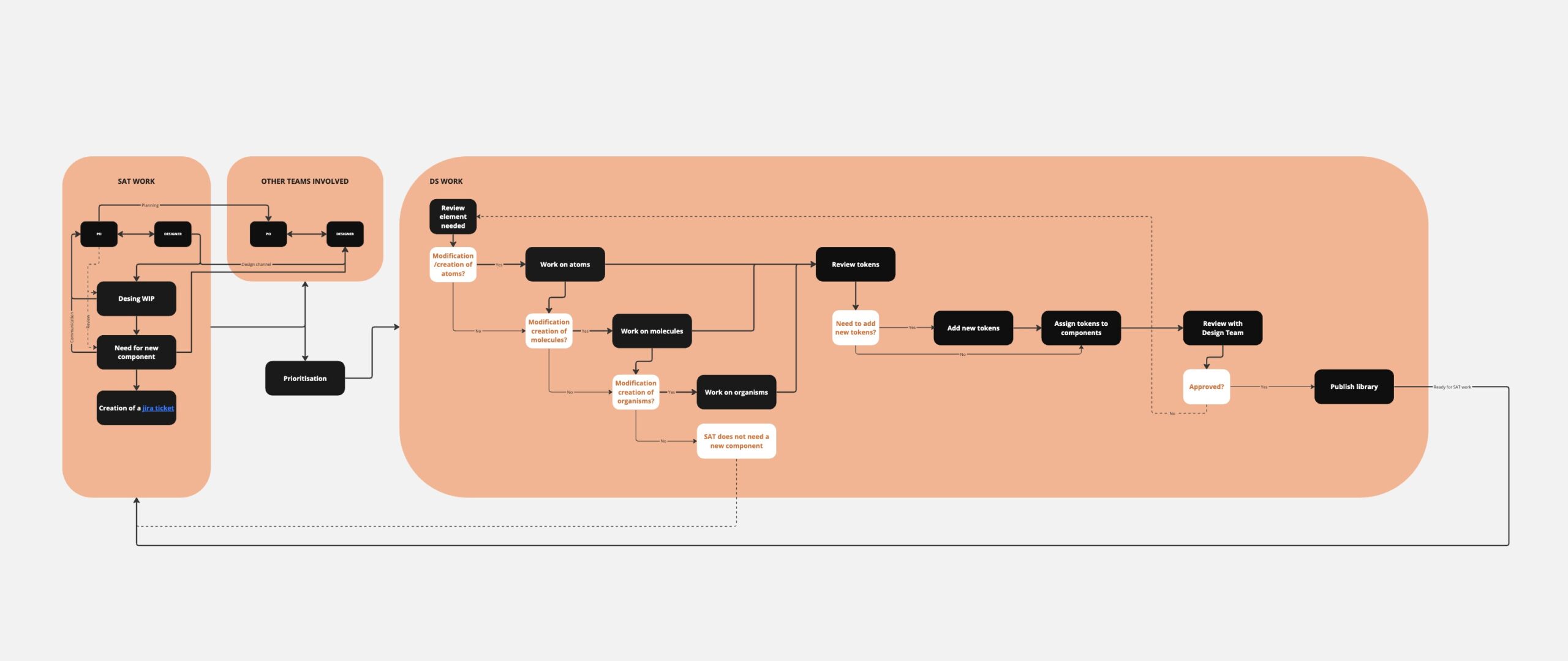
New Collaboration Model
Xapo Bank was scaling quickly but lacked a mature design system. Components were inconsistent, documentation was missing, and collaboration between design and engineering unclear. Alongside the component architecture, new ways of working were introduced to align design and engineering and support long-term scalability.
Clear responsibilities for system updates
Shared component reviews
Design-dev agreements
Dynamics across teams
This reduced friction between teams, ensured consistent component implementation, prevented bottlenecks, and kept expectations aligned.
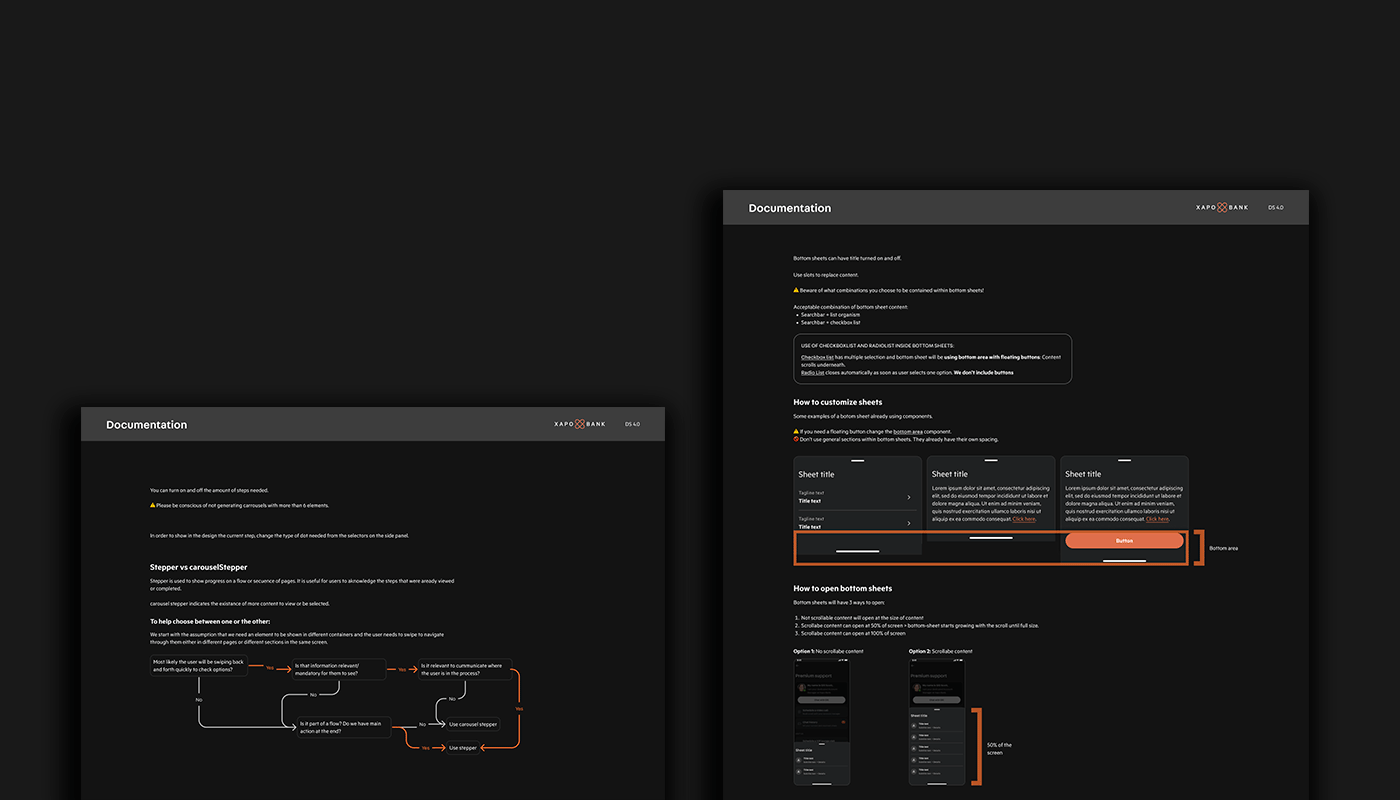
Documentation
Clear documentation was created to make the system scalable and easy to adopt.
Design system usage and contribution guidelines
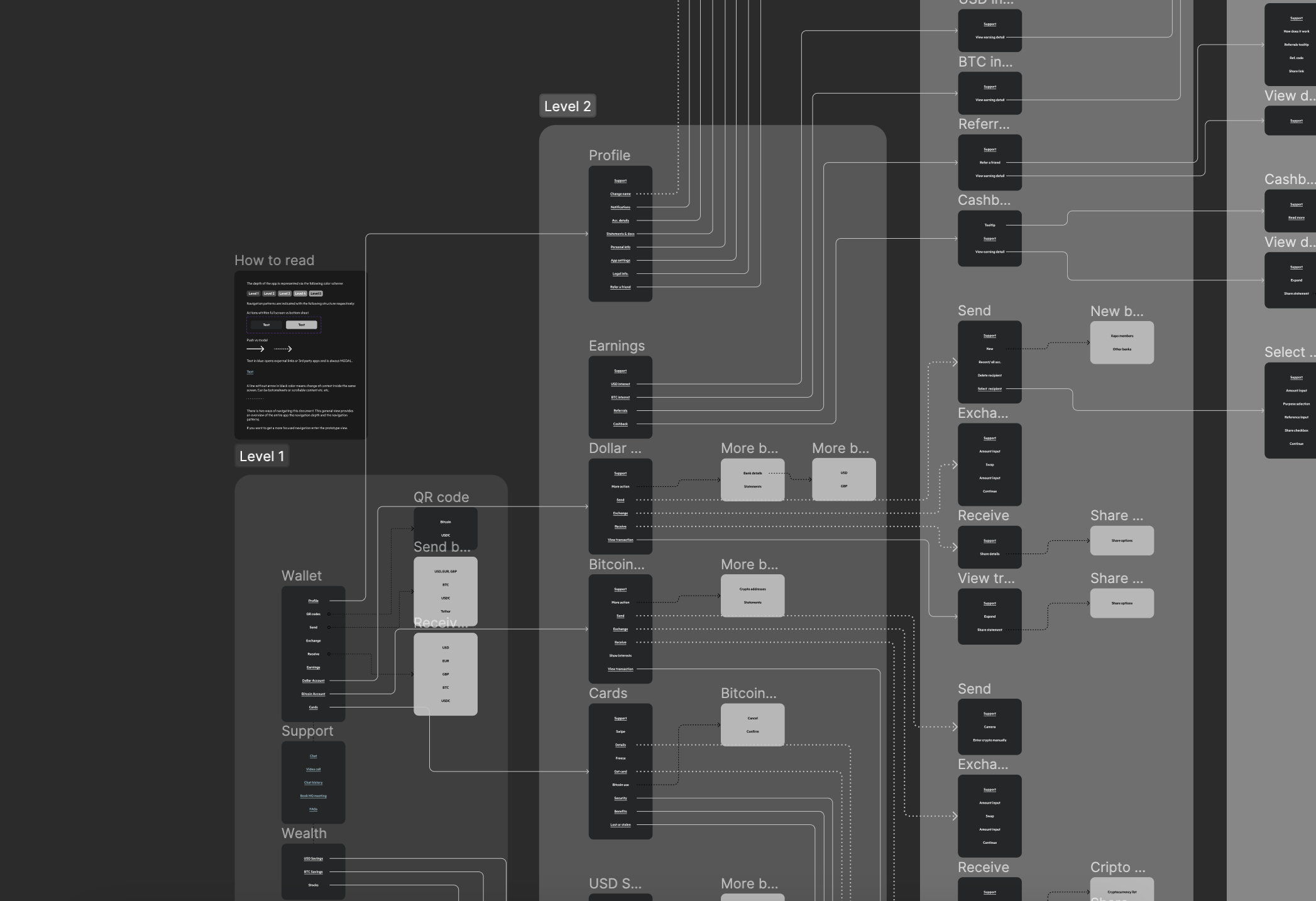
Standardized interaction and navigation patterns
Accessibility guidelines and considerations
Design–engineering agreements for component implementation and usage
Tutorials and onboarding resources for designers
Design–Engineering Agreements
Talking the same language
Component naming conventions
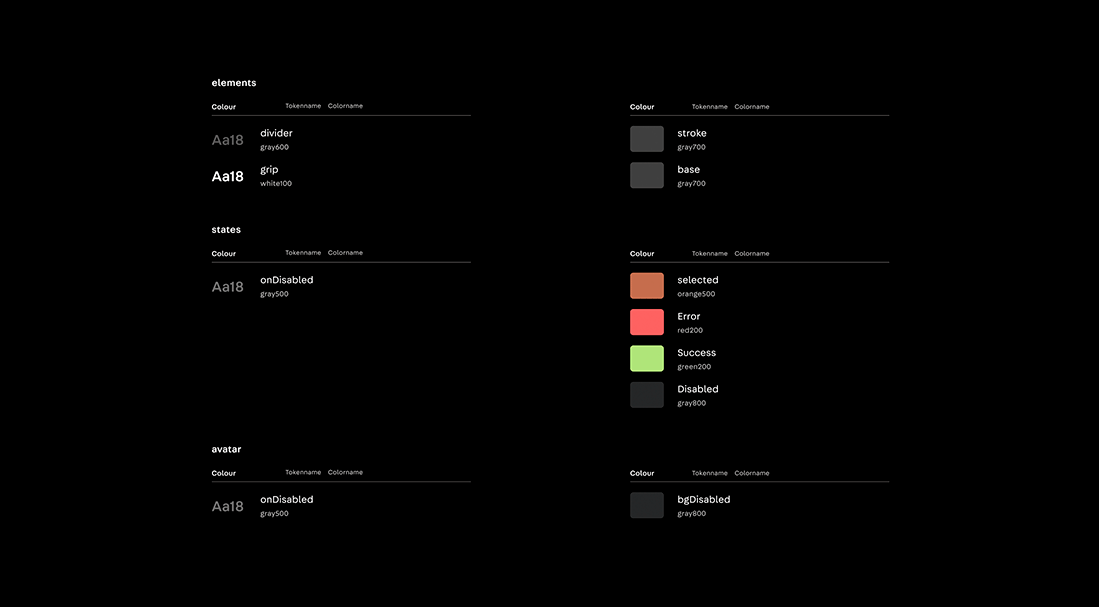
Token system
Component architecture
Update workflows
This alignment allowed design and engineering to operate with a shared language, enabling faster iteration, and making the system resilient to change.
Governance
A governance model was introduced to maintain the system over time.
Design system reviews
Contribution processes
Prioritization of system updates based on product needs
Results
What started as a fragmented library evolved into a mature design system adopted across the product. Clear collaboration models, shared conventions, and improved documentation allowed teams to build faster, maintain consistency, and successfully deliver two major brand migrations with minimal disruption.