Hausbuq is a property management platform that streamlines operations for renters, owners, and professional property managers.
The product replaces fragmented workflows with a unified, end-to-end property management experience.
Challenge
A need of end-to-end design, defining the user experience across the entire platform. From early discovery and research phases to final delivery, they strived to create a cohesive and scalable design that balanced simplicity with advanced functionality.
Objectives
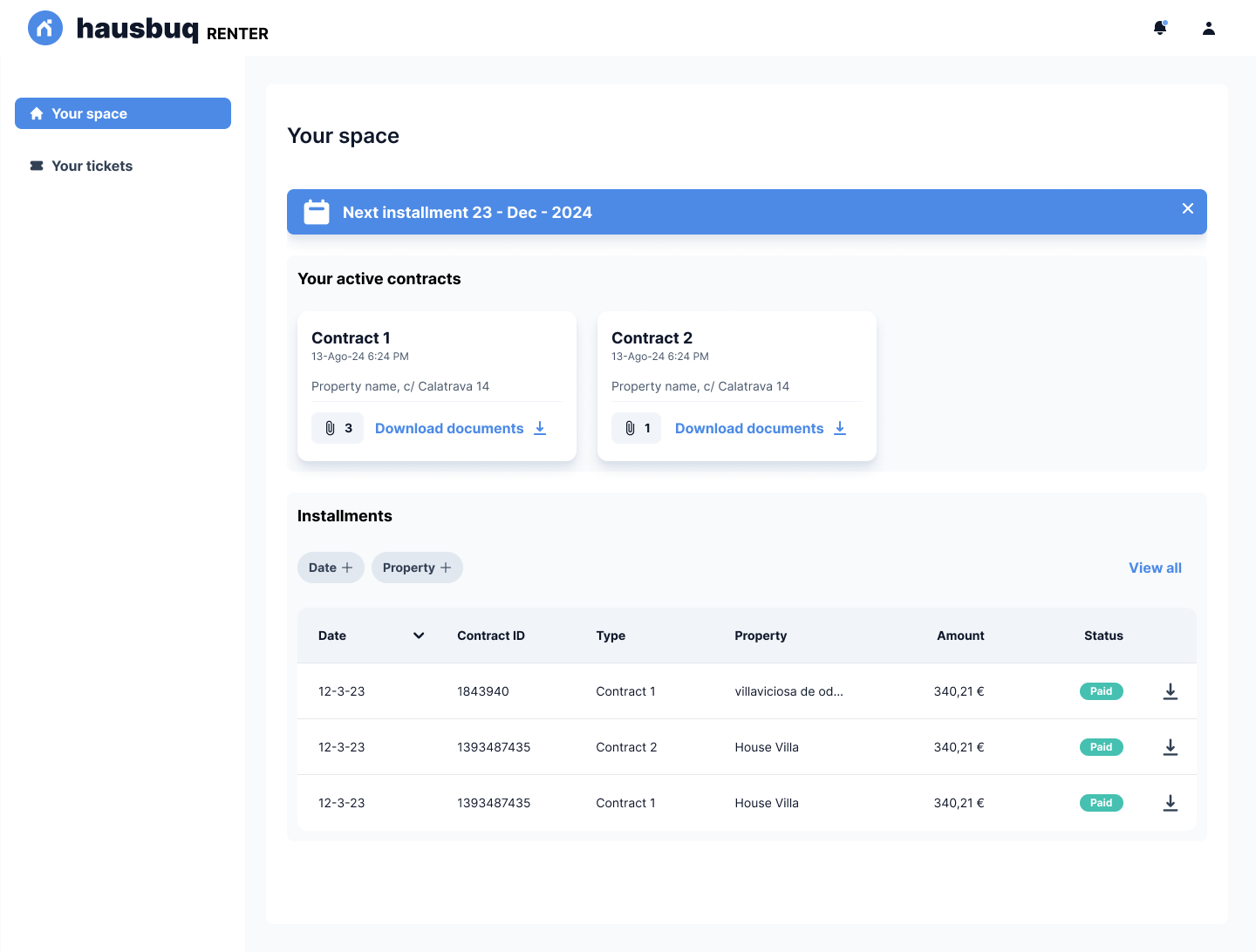
Design a platform supporting both individual renters and professional property managers
Build a flexible system capable of handling simple and complex property workflows
Transform fragmented offline processes into seamless digital operations
Deliver an intuitive experience for a diverse user ecosystem
Designing Complex Operational Workflows
Product Strategy & Architecture
Defined the strategic foundation of the platform, aligning product vision, user needs, and system architecture to support a complex ecosystem of property stakeholders.
Market Intelligence: Conducted deep-dive research to align operational needs across renters, landlords, and agencies.
Vision Alignment: Partnered with founders to translate high-level business goals into core platform capabilities.
Ecosystem Mapping: Architected complex workflows for property finance, global payments, and maintenance logistics.
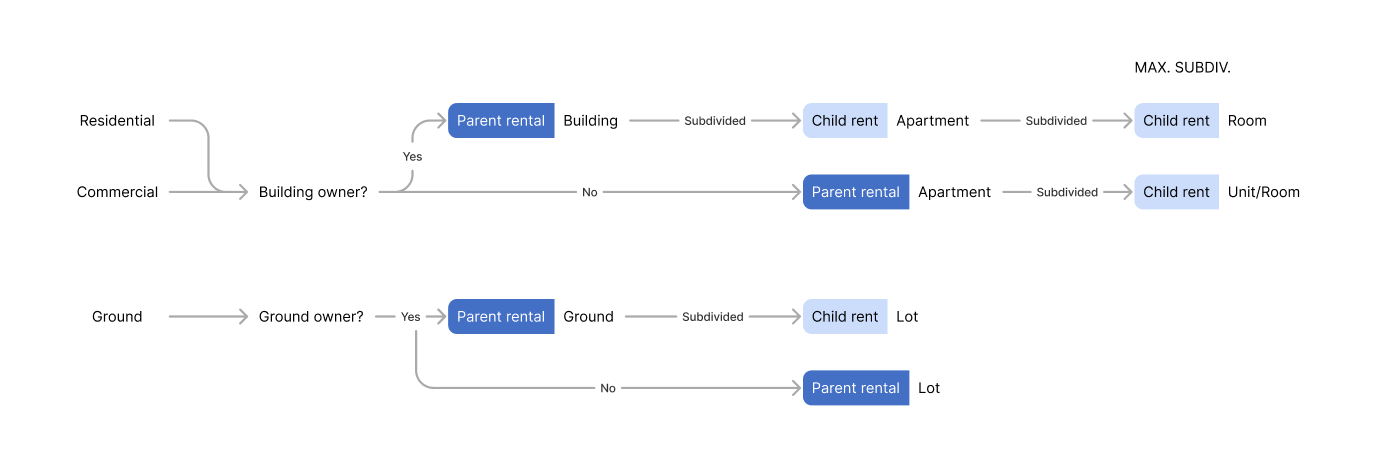
System Design: Defined end-to-end user flows and multi-role architecture for a diverse stakeholder ecosystem.
Scalable Delivery: Scaled the architecture through an incremental roadmap, balancing immediate value with long-term technical integrity.
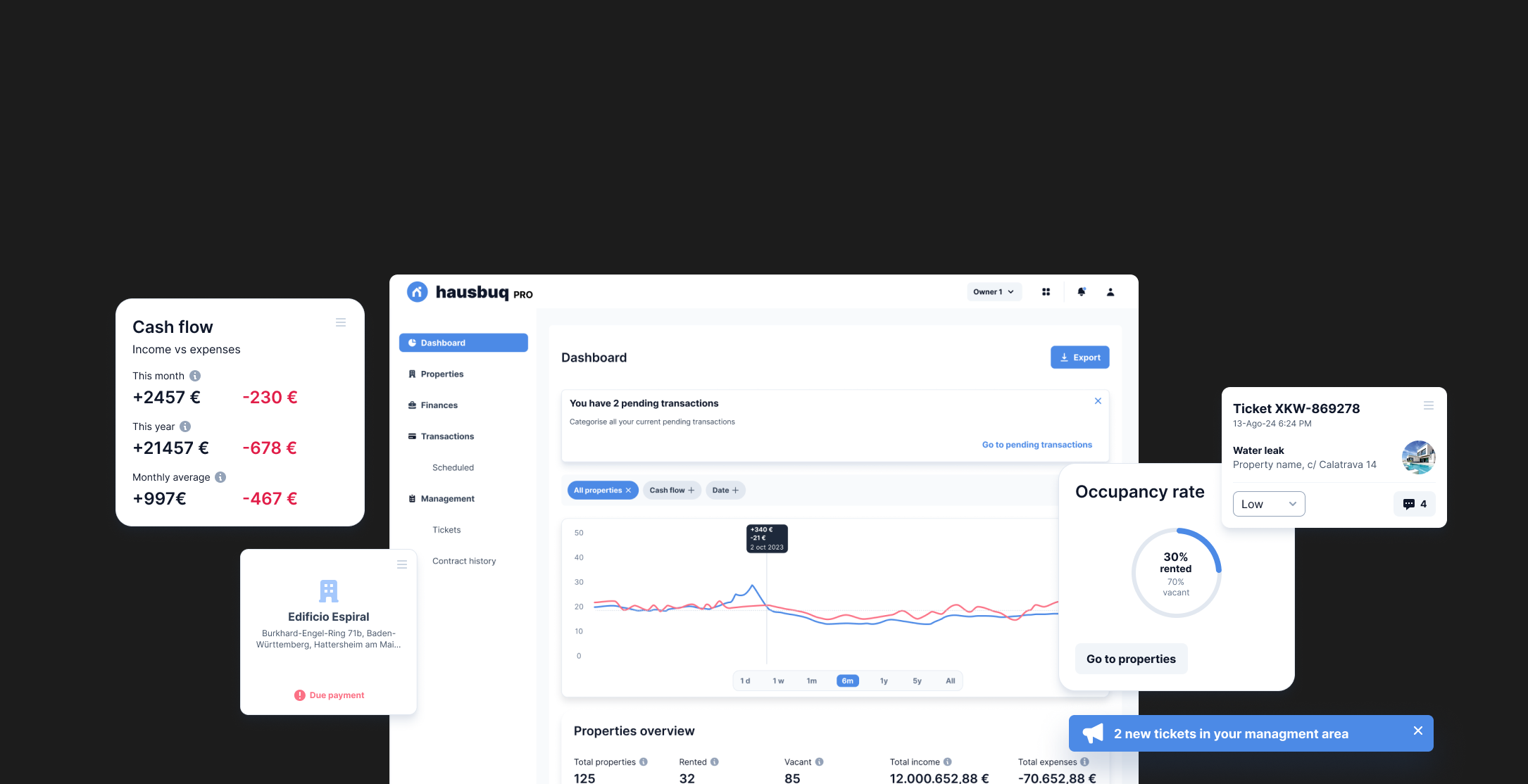
Architected a scalable, multi-role ecosystem, transforming complex property operations into a streamlined end-to-end product.
Interaction Systems & Design Foundations
Launched a complex, multi-role MVP in under 3 months, creating a scalable design foundation that reduced technical debt and accelerated future feature releases.
Delivered a functional MVP within 3 months, establishing a lean foundation for rapid post-launch scaling
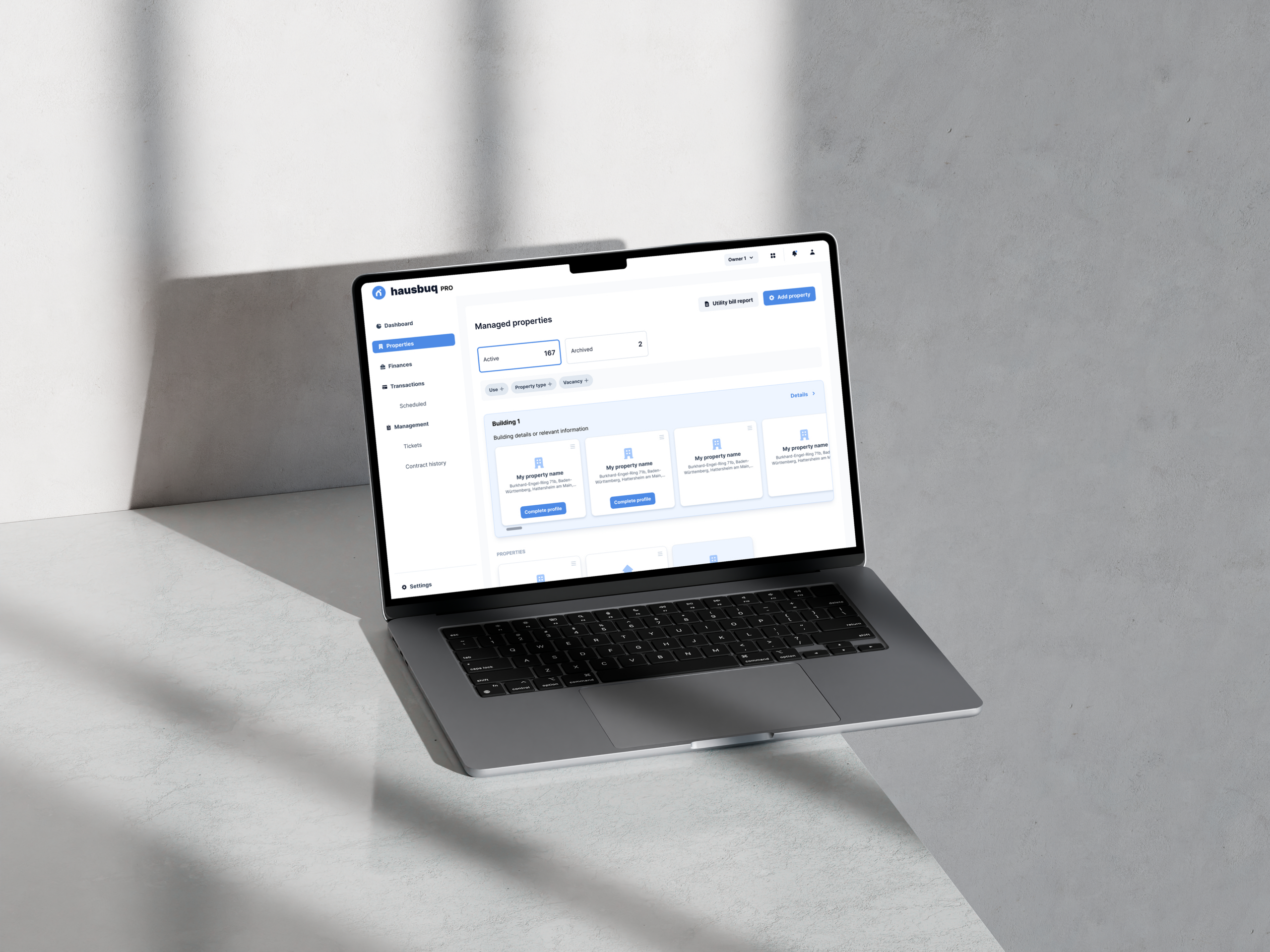
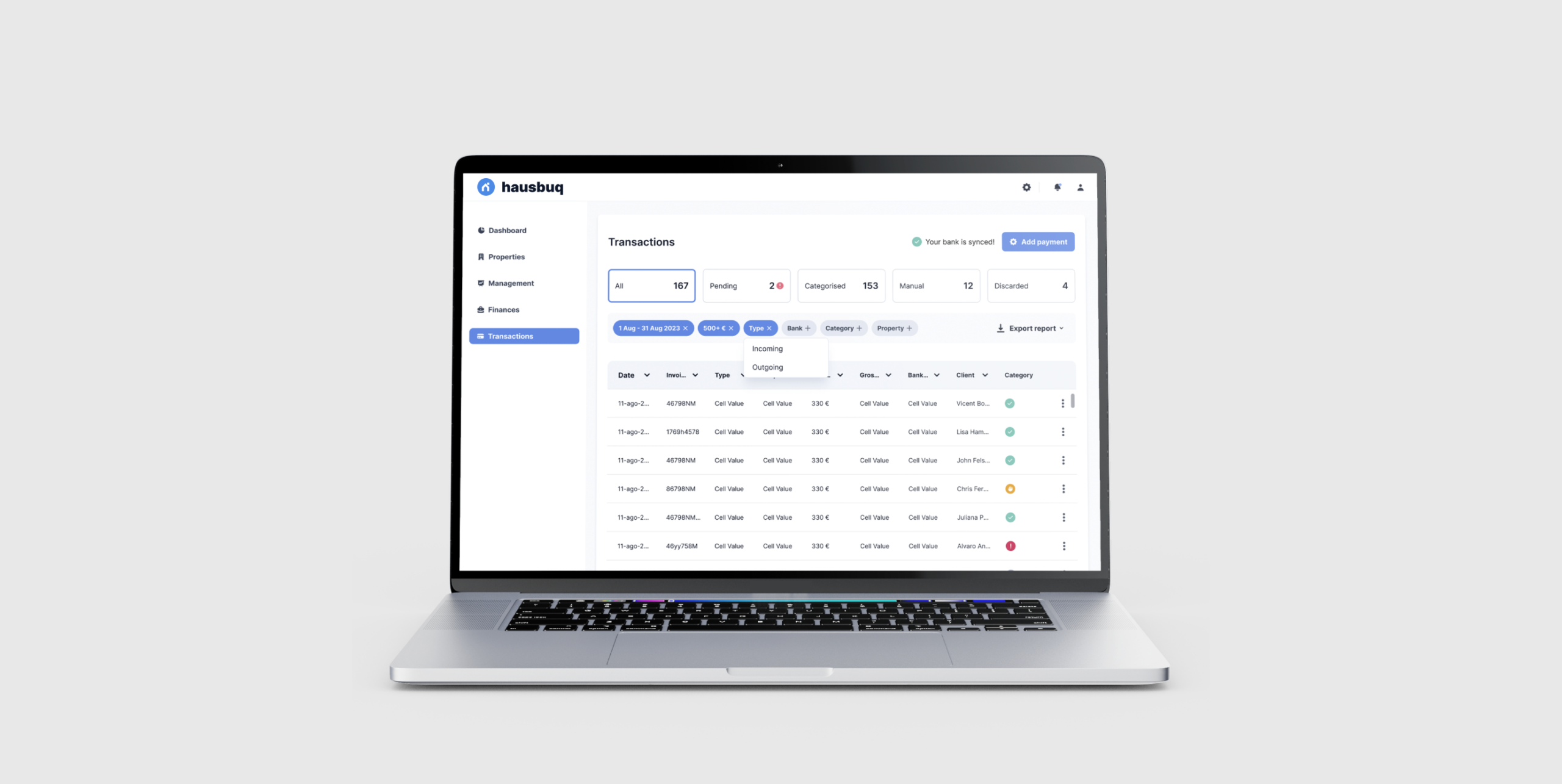
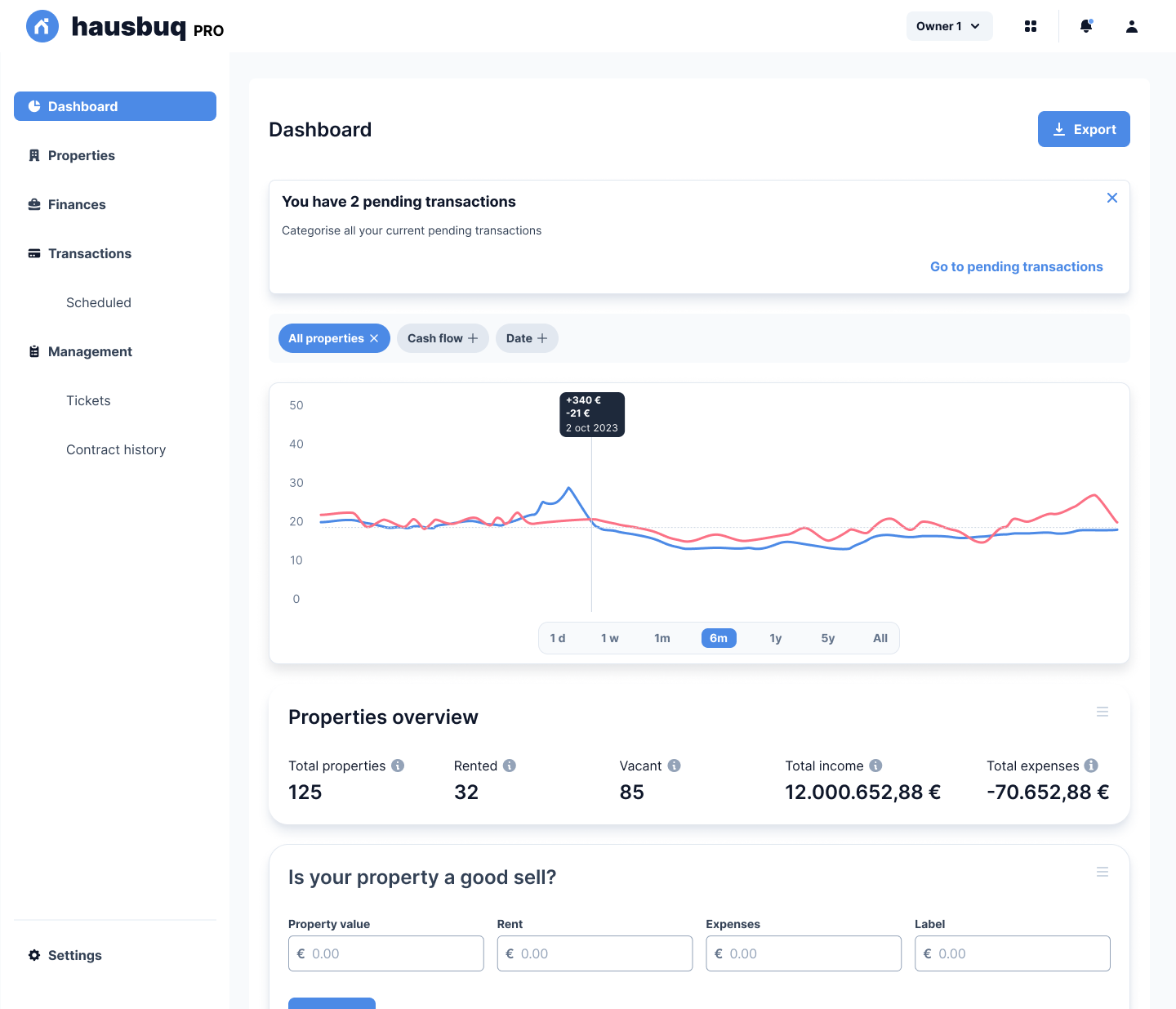
Architected unified workflows for property operations, financial oversight, and automated maintenance requests
Streamlined complex tasks by balancing intuitive interfaces with advanced configurations for power users
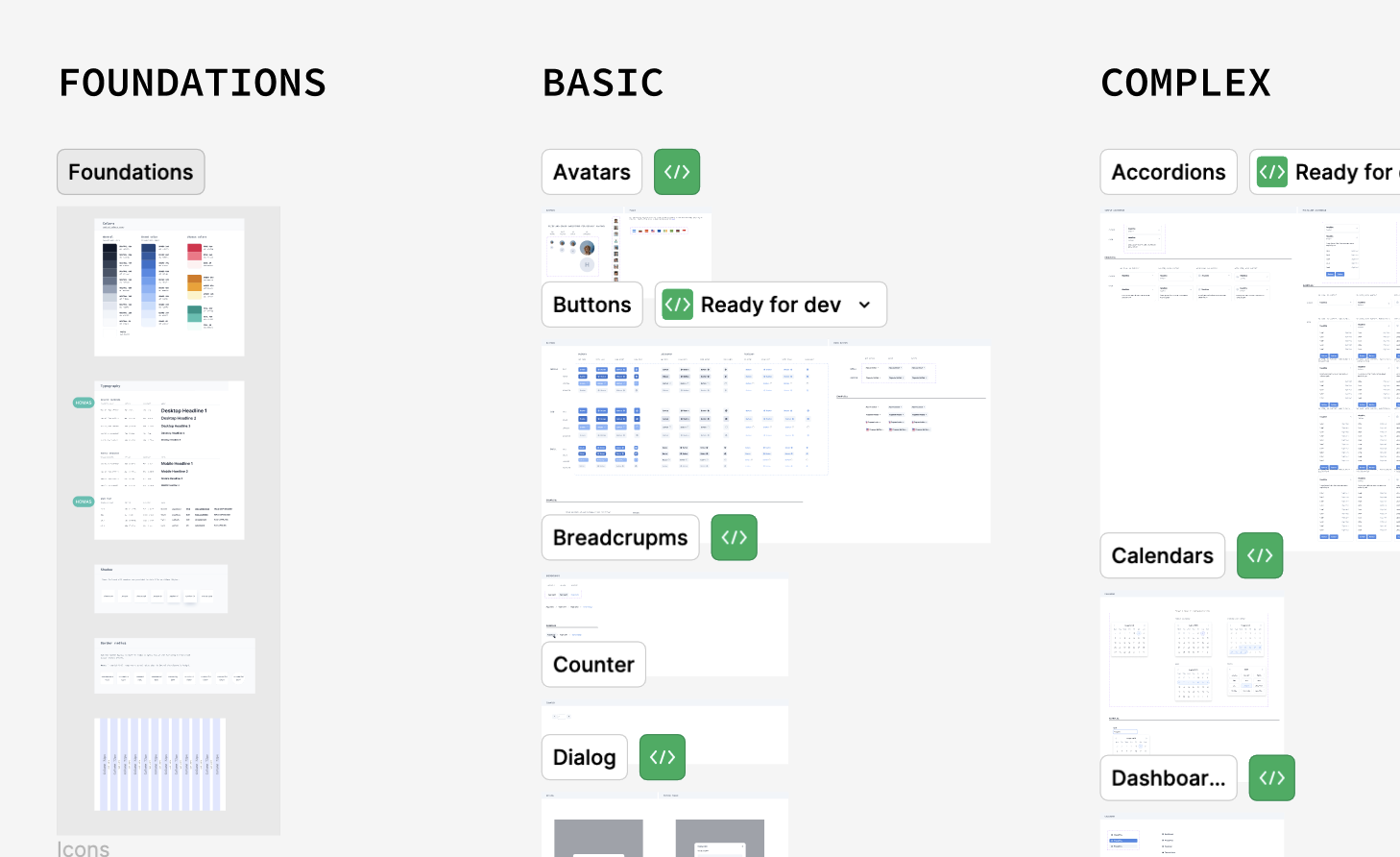
Accelerated design delivery by establishing a library of reusable components, ensuring a zero-debt handoff
Defined a digital-first visual identity and accessibility standards for a cohesive brand experience
Learnings
The testing of the product at every stage of the process by experts allowed us to quickly address mistakes and uncover user needs.
Designing for such a diverse user base and complex product taught me the importance of building flexible systems that can adapt to varying needs without compromising simplicity. It reinforced the value of continuous user feedback and the power of component-focused design in creating scalable products.